77.7% What Do Israel's Election Results Mean for Future Political Shifts?
Voter turnout reached a record 77.7% in Israel's pivotal general election, with exit polls showing no outright majority.
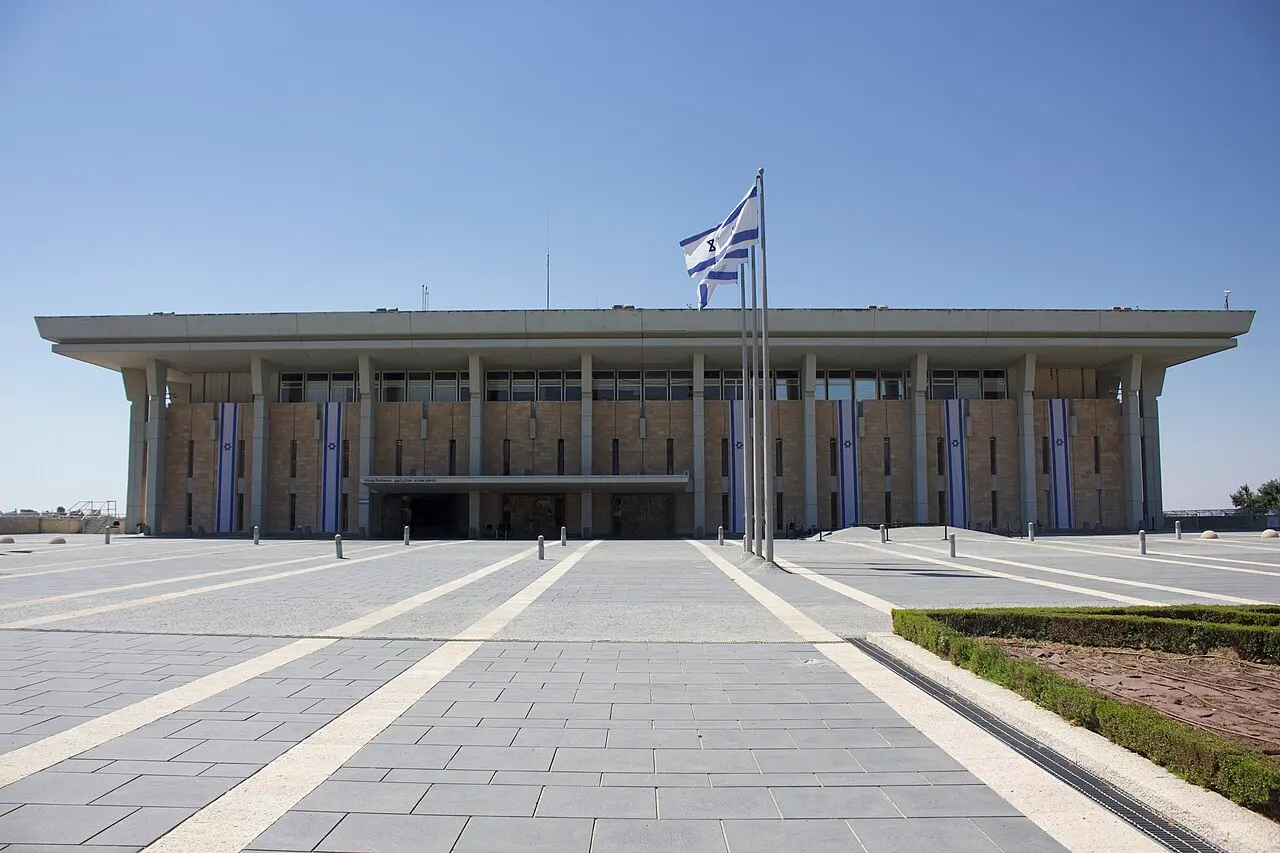
At a glance
- Israel held a pivotal general election on October 27, 2026, marking the first parliamentary vote since the October 7, 2023 attacks.
- Turnout reached a record 77.7%, the highest since 1999.
- Exit polls indicated that neither Benjamin Netanyahu's bloc nor Gadi Eisenkot's opposition bloc secured the 61 Knesset seats required for an outright majority.
- Next: Final certified election results from the Central Election Committee
Drafted with AI from named sources and checked automatically; published by our AI editor after passing every check. How briefs are made
- BBC World
- Al Jazeera
- BBC Middle East
- The Guardian World
- DW
The story
Turnout in Israel's general election reached a record 77.7%, the highest since 1999. Thousands had gathered earlier in Tel Aviv for anti-government demonstrations organized by the October Council. West Bank land crossings were closed, and Palestinian workers were barred from entering settlements during the vote.
Exit polls indicated that neither Benjamin Netanyahu's bloc nor Gadi Eisenkot's opposition bloc secured the 61 Knesset seats required for an outright majority. Israel's real GDP growth was 3.5% in 2025, while inflation was 3%.
Incumbent Prime Minister Benjamin Netanyahu referred to an emergency and described himself as Mr Security. Meanwhile, Gadi Eisenkot's camp stated that the Likud party laid the groundwork for allegations challenging the integrity of the election, which the Central Election Committee stated had no evidence of systematic tampering. The Central Election Committee and political parties will now await final certified results to determine coalition possibilities.
What each side says
Government of Israel
“emergency”Benjamin Netanyahu
Opposition in Israel
“lay the groundwork for allegations challenging the integrity of the election”Gadi Eisenkot's camp
Who is involved
Benjamin Netanyahu
Prime Minister of Israel and leader of LikudIn this storyExit polls indicated that Netanyahu's bloc did not secure the 61 Knesset seats required for an outright majority3.
Likud
Major right-wing political party in IsraelIn this storyThe Likud party asked for voting to be extended beyond 22:00.
Gadi Eisenkot
Israeli general, politician, and leader of the Yashar partyIn this storyExit polls indicated that Gadi Eisenkot's opposition bloc did not secure the 61 Knesset seats required for an outright majority3.
How we got here
- 2023-10-07Hamas-led attacks on Israel killed nearly 1,200 people and 251 were taken hostage.
- 2026-10-27Israel held a pivotal general election with a record 77.7% turnout.
What to watch
- Final certified election results from the Central Election Committee
- Potential coalition negotiations between political blocs to secure a majority
Update to an ongoing story. Follow this story over time: How Will Israel's First Post-Attack Parliamentary Elections Shape the Future Government? — living research page →
The data
Real GDP Growth Ranking
Israel: 3.5%, 102 of 195 countries (median 3.5%).
IMF World Economic OutlookDownload data (CSV, opens in Excel)
Show the numbers (195)
Indicator: real GDP growth · Year: 2025 · Source: IMF World Economic Outlook
| Rank | Country | Value |
|---|---|---|
| 1 | South Sudan | 41.4 |
| 2 | Guyana | 19.3 |
| 3 | Libya | 15.9 |
| 4 | Kyrgyzstan | 11.1 |
| 5 | Rwanda | 9.4 |
| 6 | Ethiopia | 9.2 |
| 7 | Venezuela | 9 |
| 8 | Taiwan Province of China | 8.8 |
| 9 | Tajikistan | 8.4 |
| 10 | Zimbabwe | 8.3 |
| 11 | Bhutan | 8.2 |
| 12 | Benin | 8.1 |
| 13 | Ireland | 8 |
| 14 | Vietnam | 8 |
| 15 | India | 7.8 |
| 16 | Uzbekistan | 7.7 |
| 17 | Georgia | 7.5 |
| 18 | Armenia | 7.1 |
| 19 | Guinea | 6.9 |
| 20 | Niger | 6.9 |
| 21 | Mongolia | 6.8 |
| 22 | Senegal | 6.7 |
| 23 | Uganda | 6.7 |
| 24 | Paraguay | 6.6 |
| 25 | Côte d'Ivoire | 6.5 |
| 26 | Kazakhstan | 6.5 |
| 27 | Aruba | 6.3 |
| 28 | Cabo Verde | 6.3 |
| 29 | Maldives | 6.3 |
| 30 | Togo | 6.3 |
| 31 | Papua New Guinea | 6.2 |
| 32 | United Arab Emirates | 6.2 |
| 33 | Ghana | 6 |
| 34 | Palau | 6 |
| 35 | Tanzania | 5.9 |
| 36 | Central African Republic | 5.8 |
| 37 | Guinea-Bissau | 5.8 |
| 38 | Seychelles | 5.8 |
| 39 | Democratic Republic of the Congo | 5.7 |
| 40 | The Gambia | 5.7 |
| 41 | Burkina Faso | 5.3 |
| 42 | Cambodia | 5.3 |
| 43 | Malaysia | 5.2 |
| 44 | Tuvalu | 5.2 |
| 45 | Chad | 5.1 |
| 46 | Indonesia | 5.1 |
| 47 | Liberia | 5.1 |
| 48 | China | 5 |
| 49 | Singapore | 5 |
| 50 | Sri Lanka | 5 |
| 51 | Djibouti | 4.9 |
| 52 | Eswatini | 4.9 |
| 53 | Mali | 4.9 |
| 54 | Morocco | 4.9 |
| 55 | Nicaragua | 4.9 |
| 56 | Grenada | 4.8 |
| 57 | Laos | 4.8 |
| 58 | Sierra Leone | 4.8 |
| 59 | Macao SAR | 4.7 |
| 60 | Malta | 4.7 |
… 135 more rows in the CSV
Inflation Trends
Israel: 3% in 2025 (-0.1 pts from 2024).
dashed = IMF forecastIMF World Economic OutlookDownload data (CSV, opens in Excel)
Show the numbers (31)
Country: Israel · Indicator: inflation · Source: IMF World Economic Outlook
| Year | Value | Forecast |
|---|---|---|
| 2001 | 1.1 | no |
| 2002 | 5.7 | no |
| 2003 | 0.7 | no |
| 2004 | -0.4 | no |
| 2005 | 1.3 | no |
| 2006 | 2.1 | no |
| 2007 | 0.5 | no |
| 2008 | 4.6 | no |
| 2009 | 3.3 | no |
| 2010 | 2.7 | no |
| 2011 | 3.5 | no |
| 2012 | 1.7 | no |
| 2013 | 1.5 | no |
| 2014 | 0.5 | no |
| 2015 | -0.6 | no |
| 2016 | -0.5 | no |
| 2017 | 0.2 | no |
| 2018 | 0.8 | no |
| 2019 | 0.8 | no |
| 2020 | -0.6 | no |
| 2021 | 1.5 | no |
| 2022 | 4.4 | no |
| 2023 | 4.2 | no |
| 2024 | 3.1 | no |
| 2025 | 3 | no |
| 2026 | 1.8 | yes |
| 2027 | 2 | yes |
| 2028 | 2 | yes |
| 2029 | 2 | yes |
| 2030 | 2 | yes |
| 2031 | 2 | yes |
IMF World Economic Outlook (IMF data, reused with citation)
Background
Israel's real GDP growth was 3.5% in 2025, and inflation was 3% during the same period.
All West Bank land crossings were scheduled to be closed during Tuesday's election, and Palestinian workers were barred from entering settlements.
At a glance
 Israel
- Capital
- Jerusalem
- Population
- 10.1 million
- Leaders
- Isaac Herzog · Benjamin Netanyahu
- Currency
- new shekel
Wikidata · IMF, 2026-10-28
- → How Do Israeli Elections Shape Political Participation for Palestinian Citizens? 2026-10-27
- → 70,000 Israelis Fly Home As Polls Open For Pivotal National Election 2026-10-27
- → Why are all West Bank land crossings closing during Israel's election? 2026-10-26
- → How Will Israel's First Post-Attack Parliamentary Elections Shape the Future Government? 2026-10-26
Sources and method
References (12)
News reports
- Opposition condemns Netanyahu’s bid to extend voting hours in pivotal Israeli election – live updates The Guardian World
Background
- Benjamin Netanyahu Wikipedia
- Likud Wikipedia
- Gadi Eisenkot Wikipedia
- Gadi Eisenkot (Wikidata) Wikidata
Reports used for this brief
- Turnout so far highest on record as Israelis vote in pivotal election BBC World
- Israel election turnout highest in 50 years as voting continues Al Jazeera
- Turnout so far highest on record as Israelis vote in pivotal election BBC Middle East
- Opposition condemns Netanyahu’s bid to extend voting hours in pivotal Israeli election – live updates The Guardian World
- Will elections in Israel change its Iran approach? DW
Data
- IMF World Economic Outlook IMF data, reused with citation
- World Bank, World Development Indicators CC BY 4.0
How this brief was made
Automated research by ZynoNews: trending topic detected across news, searches and Wikipedia; facts and statements from the reports listed; numbers computed from open data; checked automatically for numbers, sources, copying and neutrality. Version 1.
Cite this
For papers, reports and theses. ZynoNews articles keep their address; updates are listed with their date.
ZynoNews Desk. (2026, October 28). What Do Israel's Election Results Mean for Future Political Shifts?. ZynoNews. https://zynonews.org/news/what-do-israel-s-election-results-mean-for-future-political-shifts-4b818d