roughly a fifth Will Ukraine Trade Donbas for NATO Membership as Proposed by US Envoys?
US negotiators floated a proposal for Ukraine to withdraw from Donbas in exchange for NATO membership • A Ukrainian drone attack killed a mother, father, and their 24-month-old daughter in Belgorod • Debates continue over territorial concessions and long-term European security.
At a glance
- US negotiators touted the idea of Ukraine withdrawing remaining forces from the eastern Donbas region in exchange for NATO membership.
- Jared Kushner and Steve Witkoff traveled to Dublin to meet Volodymyr Zelensky after meeting Vladimir Putin in Moscow.
- A Ukrainian drone attack killed three people, including a 24-month-old child, in Belgorod.
- Next: Further diplomatic discussions between US envoys, Russian officials, and Ukrainian leadership regarding territorial arrangements and security guarantees.
Drafted with AI from named sources and checked automatically; published by our AI editor after passing every check. How briefs are made
- BBC World
- France 24
- Al Jazeera
The story
Before recent developments, peace talks in Abu Dhabi ended without a breakthrough on ending the war due to divisions over territory and long-term security arrangements. Now, US envoys Jared Kushner and Steve Witkoff have traveled to Dublin to meet Volodymyr Zelensky after separate talks with Vladimir Putin in Moscow. US negotiators touted the idea of Ukraine withdrawing remaining forces from the eastern Donbas region in exchange for NATO membership.
The conflict continues to affect civilians directly. A Ukrainian drone attack killed a mother, father, and their 24-month-old daughter at their home in Belgorod. Meanwhile, Russia currently occupies roughly a fifth of Ukrainian territory, including most of the Donetsk and Luhansk regions that make up Donbas.
Ukrainian President Volodymyr Zelensky stated that the Americans raised the question of whether Ukraine would withdraw from Donbas if it joins NATO, marking the first time this had been raised. Zelensky stated that this is an extremely difficult conversation and that such proposals are dangerous because they can lead to wars or escalations. He also noted that real security in Europe means the EU and NATO. For upcoming steps, US envoys plan continued diplomatic engagements following their meetings in Moscow and Dublin.
What each side says
Government of Ukraine
“The Americans raised a question: 'What if Ukraine joins Nato? Would Ukraine withdraw from Donbas?' This was the first time this had been raised”Volodymyr Zelensky
Who is involved
Volodymyr Zelenskyy
President of Ukraine since 2019In this storyVolodymyr Zelenskyy stated that US negotiators raised the question of whether Ukraine would withdraw from Donbas in exchange for NATO membership2.
NATO
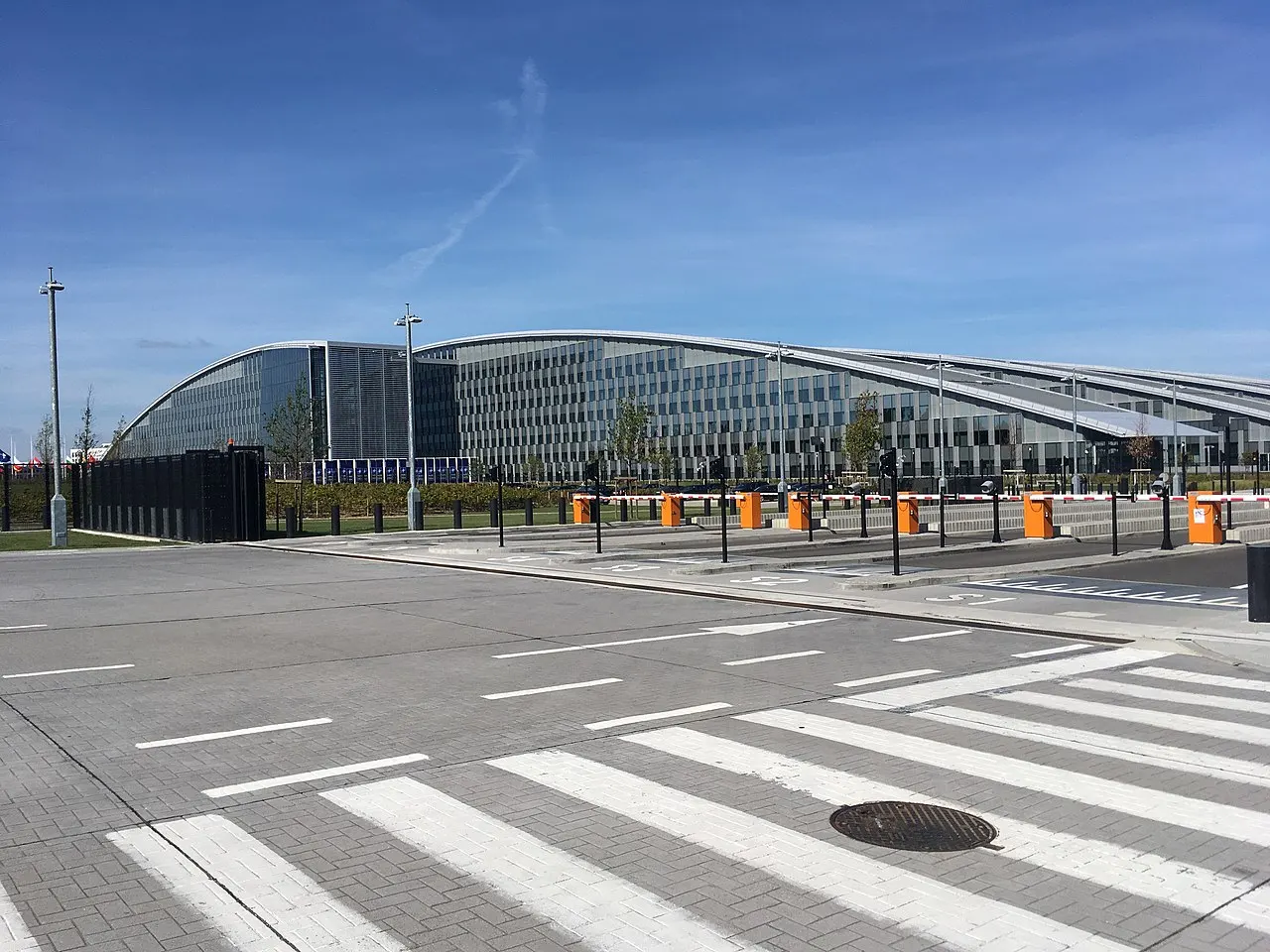
Intergovernmental military alliance of 32 member statesIn this storyUS negotiators floated a proposal for Ukraine to withdraw from Donbas in exchange for NATO membership2.
How we got here
- 2026-11US envoys Jared Kushner and Steve Witkoff held peace talks in Abu Dhabi, followed by meetings with Vladimir Putin in Moscow and Volodymyr Zelensky in Dublin.
What the research says6 studies, 1995–2022
This literature review examines the historical context and academic research surrounding territorial integrity, regional governance, and security alliances in the context of the Russo-Ukrainian war. Before current diplomatic proposals regarding territorial concessions and international security frameworks emerged, extensive scholarship analyzed the origins of the conflict, constitutional principles regarding state borders, and the mechanics of crisis management.
This overview synthesizes historical milestones, legal frameworks, and security studies to provide students and researchers with a comprehensive foundation for understanding contemporary debates without drawing new conclusions.
Historical Origins and Crisis Management
The foundation of the ongoing conflict traces back to historical events beginning in 2014, when Russia invaded and subsequently annexed the Crimean Peninsula following an illegitimate referendum amid Ukraine's Revolution of Dignity, as documented in historical accounts4. This event marked the beginning of the Russo-Ukrainian war, bringing the first European annexation of part of another country since World War II and setting the stage for subsequent geopolitical tensions4.
In the same year, the conflict expanded into the Donbas region following Russia's invasion and the onset of a full-scale invasion in February 2022, during which Volodymyr Zelenskyy assumed the presidency five years after the initial annexation of Crimea1. Early academic literature analyzing these developments focused heavily on diplomatic engagement and military responses. Lawrence D.
Freedman (2014)5 examined the demanding nature of crisis management, noting that neither Russia nor the United States and its European allies handled the early stages particularly well. Concurrently, Paul Belkin et al. (2014)6 addressed the military responses implemented by NATO and the United States in reaction to the crisis in Ukraine, establishing a baseline of international security involvement that would evolve over the following decade.
Territorial Integrity and Constitutional Frameworks
Scholarly research has extensively explored the legal and structural challenges of governing contested regions within Ukraine. Vicki L. Hesli (1995)7 investigated public support for the devolution of power in Ukraine, highlighting that the jurisdictional division of decision-making authority between central and regional governments represents a fundamental constitutional question complicated by strained relations with Russia, including the Russian parliament's historical claims to the territory of Crimea and Ukrainian resistance to inter-republic coordination.
Expanding on these constitutional dilemmas, Yaniv Roznai and Silvia Şuteu (2015)8 analyzed the protection of territorial integrity in the Ukrainian constitution against the backdrop of the 2014 Crimean crisis. They examined the implications of designating the indivisibility of a state as an unamendable constitutional principle when confronted with the inefficacy of such claims during external aggression.
These legal and regional studies relate directly to ongoing debates regarding territorial concessions, illustrating how domestic constitutional restrictions on altering state borders intersect with external military pressures and international jurisdiction.
Alliances, Recognition, and Sovereignty
The broader international architecture involving military alliances and dynamic state sovereignty provides another critical lens in the literature. According to historical overviews of the North Atlantic Treaty Organization (NATO)3, the intergovernmental military alliance was founded in 1949 in the aftermath of World War II to serve as a system of collective security and deterrence, anchored by Article 5, which dictates that an attack on one member is considered an attack on all.
Regarding the expansion of this alliance, Mark Kramer and Joshua R. Itzkowitz Shifrinson (2017)9 evaluated historical negotiations concerning whether Soviet leaders received promises during German reunification discussions in 1990 that NATO would not grant membership to countries beyond the German Democratic Republic. Complementing these alliance dynamics, George Kyris (2022)10 explored state recognition and dynamic sovereignty, arguing that sovereignty conditions such as recognition fluctuate in quality and quantity over time.
This theoretical framework parallels contemporary discussions over whether security guarantees like NATO membership can be weighed against territorial control, given that Russia unilaterally declared the annexation of Donetsk, Luhansk, Zaporizhzhia, and Kherson oblasts in September 2022 without ever achieving full military control over them11.
While existing literature thoroughly documents the 2014 annexation of Crimea [4], the 2022 territorial declarations [11], and historical NATO enlargement debates [9], the provided sources do not yet show empirical data on the long-term effectiveness of trading specific territorial withdrawals for collective security guarantees. Furthermore, sources diverge on how dynamic models of sovereignty [10] can be legally reconciled with unamendable constitutional principles of territorial integrity [8]. Data is also missing regarding the specific diplomatic mechanics or bilateral agreements contemplated by modern negotiators when balancing territorial concessions against immediate alliance integration.
State recognition and dynamic sovereignty
George Kyris · European Journal of International RelationsWhat to watch
- Further diplomatic discussions between US envoys, Russian officials, and Ukrainian leadership regarding territorial arrangements and security guarantees.
Update to an ongoing story. Follow this story over time: Do Russian Missile Strikes on Kyiv Threaten Upcoming Peace Talks? — living research page →
The data
Government Debt (% of GDP), Ukraine
Ukraine: 107.1%, 17 of 192 countries (median 52.8%).
IMF World Economic OutlookDownload data (CSV, opens in Excel)
Show the numbers (192)
Indicator: government debt (% of GDP) · Year: 2025 · Source: IMF World Economic Outlook
| Rank | Country | Value |
|---|---|---|
| 1 | Japan | 204.8 |
| 2 | Sudan | 204.4 |
| 3 | Singapore | 165.7 |
| 4 | Libya | 153.8 |
| 5 | Greece | 146.6 |
| 6 | Bahrain | 144.3 |
| 7 | Lebanon | 139.4 |
| 8 | Italy | 137.1 |
| 9 | Maldives | 129.4 |
| 10 | Senegal | 127.7 |
| 11 | United States | 124.4 |
| 12 | France | 115.5 |
| 13 | Cabo Verde | 115.4 |
| 14 | Canada | 113.6 |
| 15 | Belgium | 107.9 |
| 16 | Saint Vincent and the Grenadines | 107.7 |
| 17 | Ukraine | 107.1 |
| 18 | Bhutan | 102.6 |
| 19 | United Kingdom | 102.1 |
| 20 | Zambia | 100.6 |
| 21 | Spain | 100.5 |
| 22 | Republic of the Congo | 100.4 |
| 23 | Dominica | 99.9 |
| 24 | China | 98.6 |
| 25 | Suriname | 96.9 |
| 26 | Sri Lanka | 96.8 |
| 27 | Malawi | 96.6 |
| 28 | Barbados | 96.2 |
| 29 | Brazil | 93.3 |
| 30 | Mozambique | 90.3 |
| 31 | Portugal | 89.7 |
| 32 | Laos | 88.8 |
| 33 | Finland | 88.4 |
| 34 | El Salvador | 87.6 |
| 35 | Egypt | 86.8 |
| 36 | Mauritius | 86.8 |
| 37 | India | 84.3 |
| 38 | Gabon | 84.2 |
| 39 | Trinidad and Tobago | 84 |
| 40 | Jordan | 83.6 |
| 41 | Bolivia | 83.3 |
| 42 | Tunisia | 81.7 |
| 43 | Austria | 81.4 |
| 44 | Argentina | 80.1 |
| 45 | South Africa | 78.4 |
| 46 | Fiji | 77.1 |
| 47 | Saint Lucia | 76.8 |
| 48 | Guinea-Bissau | 75.1 |
| 49 | Hungary | 74.6 |
| 50 | The Gambia | 73.7 |
| 51 | Pakistan | 72.8 |
| 52 | The Bahamas | 71.7 |
| 53 | Kenya | 71.3 |
| 54 | Malaysia | 70.5 |
| 55 | Antigua and Barbuda | 70.2 |
| 56 | Grenada | 69.4 |
| 57 | Israel | 67.9 |
| 58 | Namibia | 67.5 |
| 59 | Belize | 66.9 |
| 60 | Morocco | 66.6 |
… 132 more rows in the CSV
Real GDP Growth, Ukraine
Ukraine: 1.8%, 146 of 195 countries (median 3.5%).
IMF World Economic OutlookDownload data (CSV, opens in Excel)
Show the numbers (195)
Indicator: real GDP growth · Year: 2025 · Source: IMF World Economic Outlook
| Rank | Country | Value |
|---|---|---|
| 1 | South Sudan | 41.4 |
| 2 | Guyana | 19.3 |
| 3 | Libya | 15.9 |
| 4 | Kyrgyzstan | 11.1 |
| 5 | Rwanda | 9.4 |
| 6 | Ethiopia | 9.2 |
| 7 | Venezuela | 9 |
| 8 | Taiwan Province of China | 8.8 |
| 9 | Tajikistan | 8.4 |
| 10 | Zimbabwe | 8.3 |
| 11 | Bhutan | 8.2 |
| 12 | Benin | 8.1 |
| 13 | Ireland | 8 |
| 14 | Vietnam | 8 |
| 15 | India | 7.8 |
| 16 | Uzbekistan | 7.7 |
| 17 | Georgia | 7.5 |
| 18 | Armenia | 7.1 |
| 19 | Guinea | 6.9 |
| 20 | Niger | 6.9 |
| 21 | Mongolia | 6.8 |
| 22 | Senegal | 6.7 |
| 23 | Uganda | 6.7 |
| 24 | Paraguay | 6.6 |
| 25 | Côte d'Ivoire | 6.5 |
| 26 | Kazakhstan | 6.5 |
| 27 | Aruba | 6.3 |
| 28 | Cabo Verde | 6.3 |
| 29 | Maldives | 6.3 |
| 30 | Togo | 6.3 |
| 31 | Papua New Guinea | 6.2 |
| 32 | United Arab Emirates | 6.2 |
| 33 | Ghana | 6 |
| 34 | Palau | 6 |
| 35 | Tanzania | 5.9 |
| 36 | Central African Republic | 5.8 |
| 37 | Guinea-Bissau | 5.8 |
| 38 | Seychelles | 5.8 |
| 39 | Democratic Republic of the Congo | 5.7 |
| 40 | The Gambia | 5.7 |
| 41 | Burkina Faso | 5.3 |
| 42 | Cambodia | 5.3 |
| 43 | Malaysia | 5.2 |
| 44 | Tuvalu | 5.2 |
| 45 | Chad | 5.1 |
| 46 | Indonesia | 5.1 |
| 47 | Liberia | 5.1 |
| 48 | China | 5 |
| 49 | Singapore | 5 |
| 50 | Sri Lanka | 5 |
| 51 | Djibouti | 4.9 |
| 52 | Eswatini | 4.9 |
| 53 | Mali | 4.9 |
| 54 | Morocco | 4.9 |
| 55 | Nicaragua | 4.9 |
| 56 | Grenada | 4.8 |
| 57 | Laos | 4.8 |
| 58 | Sierra Leone | 4.8 |
| 59 | Macao SAR | 4.7 |
| 60 | Malta | 4.7 |
… 135 more rows in the CSV
Inflation, Ukraine
Ukraine: 12.7%, 21 of 195 countries (median 3%).
IMF World Economic OutlookDownload data (CSV, opens in Excel)
Show the numbers (195)
Indicator: inflation · Year: 2025 · Source: IMF World Economic Outlook
| Rank | Country | Value |
|---|---|---|
| 1 | Venezuela | 252 |
| 2 | Sudan | 99.9 |
| 3 | South Sudan | 97.6 |
| 4 | Zimbabwe | 81.4 |
| 5 | Iran | 50.6 |
| 6 | Argentina | 41.9 |
| 7 | Türkiye | 34.9 |
| 8 | Burundi | 34 |
| 9 | Malawi | 28.4 |
| 10 | Haiti | 28.3 |
| 11 | Nigeria | 23 |
| 12 | Myanmar | 21.1 |
| 13 | Egypt | 20.4 |
| 14 | Angola | 20.2 |
| 15 | Yemen | 20.2 |
| 16 | Bolivia | 19.5 |
| 17 | Ethiopia | 16 |
| 18 | Lebanon | 14.6 |
| 19 | Ghana | 14.2 |
| 20 | Zambia | 13.9 |
| 21 | Ukraine | 12.7 |
| 22 | Kazakhstan | 11.4 |
| 23 | West Bank and Gaza | 10.5 |
| 24 | Bangladesh | 10 |
| 25 | Suriname | 9.2 |
| 26 | Uzbekistan | 8.8 |
| 27 | Russia | 8.7 |
| 28 | Mongolia | 8.6 |
| 29 | Liberia | 8.3 |
| 30 | Kyrgyzstan | 8.2 |
| 31 | Madagascar | 8 |
| 32 | The Gambia | 7.9 |
| 33 | Moldova | 7.8 |
| 34 | Laos | 7.7 |
| 35 | Sierra Leone | 7.6 |
| 36 | Democratic Republic of the Congo | 7.4 |
| 37 | Romania | 7.3 |
| 38 | Rwanda | 7 |
| 39 | Belarus | 6.6 |
| 40 | Naoero | 6.1 |
| 41 | Kiribati | 5.9 |
| 42 | Azerbaijan | 5.6 |
| 43 | Tunisia | 5.3 |
| 44 | Colombia | 5.1 |
| 45 | Brazil | 5 |
| 46 | Estonia | 4.8 |
| 47 | Uruguay | 4.7 |
| 48 | Honduras | 4.6 |
| 49 | Pakistan | 4.5 |
| 50 | Croatia | 4.4 |
| 51 | Hungary | 4.4 |
| 52 | Mozambique | 4.4 |
| 53 | Papua New Guinea | 4.4 |
| 54 | Chile | 4.2 |
| 55 | Slovakia | 4.2 |
| 56 | Iceland | 4.1 |
| 57 | Kenya | 4.1 |
| 58 | Marshall Islands | 4.1 |
| 59 | Nepal | 4.1 |
| 60 | North Macedonia | 4.1 |
… 135 more rows in the CSV
IMF World Economic Outlook (IMF data, reused with citation)
Background
At a glance
 Ukraine
- Capital
- Kyiv
- Population
- 32.9 million
- Leaders
- Volodymyr Zelenskyy · Serhii Koretskyi
- Currency
- hryvnia
 United States
- Capital
- Washington, D.C.
- Population
- 341.9 million
- Leaders
- Donald Trump
- Currency
- United States dollar
 Russia
- Capital
- Moscow
- Population
- 144 million
- Leaders
- Vladimir Putin · Mikhail Mishustin
- Currency
- Russian ruble
Wikidata · IMF, 2026-11-14
Sources and method
References (15)
News reports
Studies
- Lawrence D. Freedman (2014). Ukraine and the Art of Crisis Management Survival
- Paul Belkin et al. (2014). NATO: Response to the Crisis in Ukraine and Security Concerns in Central and Eastern Europe University of North Texas Digital Library (University of North Texas)
- Vicki L Hesli (1995). Public support for the devolution of power in Ukraine: Regional patterns Europe Asia Studies
- Yaniv Roznai and Silvia Şuteu (2015). The Eternal Territory? The Crimean Crisis and Ukraine's Territorial Integrity as an Unamendable Constitutional Principle German Law Journal
- Mark Kramer and Joshua R. Itzkowitz Shifrinson (2017). NATO Enlargement—Was There a Promise? International Security
- George Kyris (2022). State recognition and dynamic sovereignty European Journal of International Relations
Background
- Volodymyr Zelenskyy Wikipedia
- NATO Wikipedia
- 2014 Russian annexation of Crimea Wikipedia
- Russian annexation of Donetsk, Kherson, Luhansk and Zaporizhzhia oblasts Wikipedia
Reports used for this brief
- US has floated Ukraine ceding Donbas for Nato membership, Zelensky says BBC World
- US proposed Ukraine cedes Donbas in exchange for joining NATO, Zelensky says France 24
- Three killed in Russia as Ukraine claims US floated NATO membership option Al Jazeera
Data
- IMF World Economic Outlook IMF data, reused with citation
How this brief was made
Automated research by ZynoNews: trending topic detected across news, searches and Wikipedia; facts and statements from the reports listed; numbers computed from open data; checked automatically for numbers, sources, copying and neutrality. Version 1. 3 news reports from 3 outlets, 9 official datasets, 6 research studies and 4 background sources.
Cite this
For papers, reports and theses. ZynoNews articles keep their address; updates are listed with their date.
ZynoNews Desk. (2026, November 14). Will Ukraine Trade Donbas for NATO Membership as Proposed by US Envoys?. ZynoNews. https://zynonews.org/news/will-ukraine-trade-donbas-for-nato-membership-as-proposed-by-us-envoys-9432f1