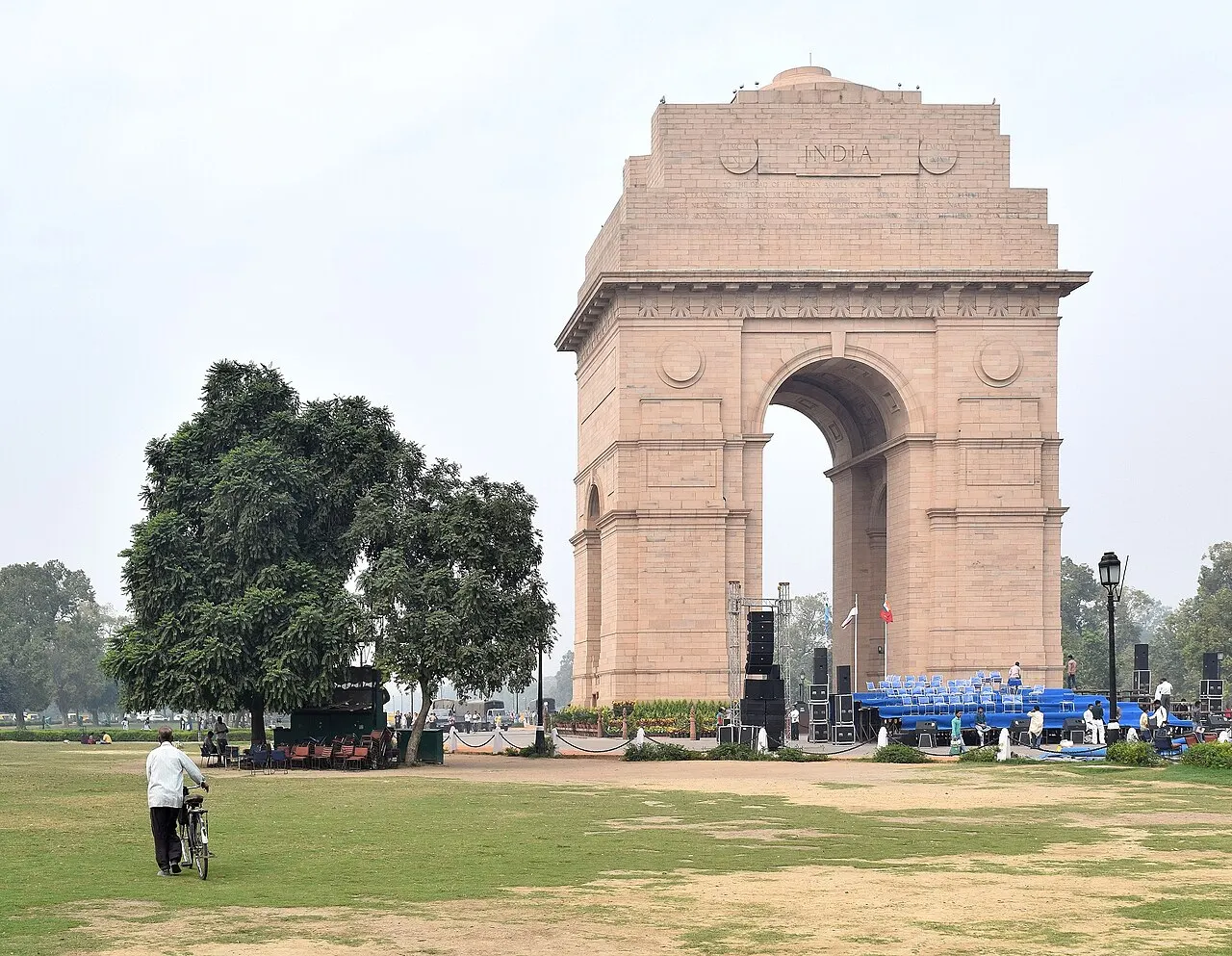
about 50,000 people Why are 50,000 evacuating as Cyclone Akvan nears India?
Odisha evacuated about 50,000 people as Cyclone Akvan approaches • The severe storm brings sustained winds of 89 kilometres per hour and gusts up to 117 kilometres per hour • Rain is forecast to continue until Saturday.

At a glance
- Odisha evacuated about 50,000 people as Cyclone Akvan nears the coast.
- Cyclone Akvan is the third severe storm in a month to near India's coast.
- The Bangladesh Meteorological Department forecasts rain across the country until Saturday due to severe cyclonic storm Akvan.
- Maritime ports in Chattogram, Cox's Bazar, Mongla, and Payra were advised to keep local cautionary signal No 3 hoisted.
- Next: Rain continuing across the country until Saturday
Drafted with AI from named sources and checked automatically; published by our AI editor after passing every check. How briefs are made
- DW
- TBS News
The story
Cyclone Akvan approaches India and Bangladesh with sustained winds of 89 kilometres per hour and gusts up to 117 kilometres per hour, marking the third severe storm in a month to near India's coast.
Odisha evacuated about 50,000 people as the storm neared the coast. Maritime ports in Chattogram, Cox's Bazar, Mongla, and Payra were advised to keep local cautionary signal No 3 hoisted.
Hafizur Rahman stated that rain is likely to continue on Friday and Saturday due to the severe cyclonic storm Akvan. The Bangladesh Meteorological Department forecasts rain across the country until Saturday.
What each side says
Bangladesh Meteorological Department
“Due to the severe cyclonic storm Akvan, the rain is likely to continue on Friday and Saturday”Hafizur Rahman
Who is involved
Cyclone Akvan
Tropical cyclone threatening India and BangladeshIn this storyCyclone Akvan is the third severe storm in a month to near India's coast2.
What the research says4 studies, 2004–2021
This review synthesises the scholarly and factual record relevant to the imminent approach of Severe Cyclonic Storm Akvan to the coasts of India and Bangladesh. It situates today’s evacuation of about 50,000 people within a longer history of cyclonic events in the Bay of Bengal, examines research on evacuation behaviour, warning systems and repeated storm impacts, and outlines the evidence gaps that remain.
The review is organised into four thematic sections followed by a brief gap analysis.
Historical Cyclone Context
The Bay of Bengal has experienced some of the deadliest tropical cyclones on record. The 1970 Bhola cyclone struck East Pakistan and West Bengal, causing between 300,000 and 500,000 deaths largely through storm surge (1970)3. Decades later, Extremely Severe Cyclonic Storm Sidr made landfall in Bangladesh in 2007, producing peak winds of 260 km/h and resulting in at least 3,447 fatalities, with some estimates up to 15,000 (2007)4.
In the 2026 season, Very Severe Cyclonic Storm Arnab formed on 24 October and became the strongest post‑monsoon cyclone in the Bay since 2014, highlighting a pattern of intense late‑season storms (2026)5. Akvan, the tenth depression and third cyclone of the 2026 North Indian Ocean season, follows Arnab and Murasu as a third severe storm within a month to approach India’s coast (2026)12.
Evacuation and Preparedness
Research on evacuation behaviour identifies risk perception, prior experience and planning as key drivers. Thompson et al. (2016)6 found that demographic factors and previous evacuation history consistently predict evacuation decisions. Thomalla and Schmuck (2004)7 examined the 1999 Orissa cyclone, where inadequate preparedness contributed to an estimated 10,000 deaths, and highlighted the need for comprehensive shelter programmes.
Shultz et al. (2005)8 emphasised that forecasting, warning and community response interact to shape disaster outcomes. In the current event, authorities in Odisha have evacuated about 50,000 residents as Akvan approaches, reflecting the application of these preparedness principles2.
Warning Services and Signals
Effective early warning is a central component of cyclone risk management. Mohapatra and Sharma (2021)9 reviewed India’s cyclone warning services, noting that skillful monitoring, timely alerts and coordinated communication reduce vulnerability. Shultz et al. (2005)8 similarly stressed the importance of early warning in mitigating health impacts. For Akvan, the Bangladesh Meteorological Department has forecast rain across the country until Saturday10, and maritime ports in Chattogram, Cox’s Bazar, Mongla and Payra have been instructed to maintain local cautionary signal No 310.
These actions illustrate the operational use of warning protocols described in the literature.
2026 Cyclone Season Repetition
The clustering of severe cyclones in 2026 raises questions about seasonal variability. The background on Akvan notes it is the third severe storm in a month to near India’s coast, following Arnab and Murasu (2026)12. Studies of past seasons, such as the review of warning services, suggest that repeated events can strain response capacities and amplify public risk perception (Mohapatra and Sharma 2021)9.
However, systematic analyses of consecutive cyclones in the Bay of Bengal remain limited, and the epidemiological review by Shultz et al. (2005) calls for more data on health outcomes after multiple storms (Shultz et al. 2005)8.
The existing literature documents individual cyclones and general evacuation predictors, but few studies quantify the cumulative health and social impacts of back‑to‑back storms like Akvan, Arnab and Murasu. Data on real‑time evacuation compliance, shelter utilisation and post‑event morbidity for the 2026 season are absent. Moreover, comparative assessments of warning effectiveness across Indian and Bangladeshi agencies are limited. Addressing these gaps would require coordinated field surveys and integration of meteorological, health and demographic datasets.
Cyclone warning services in India during recent years: A review
M. Mohapatra and M. Sharma · MAUSAMWhat to watch
- Rain continuing across the country until Saturday
- Local cautionary signal No 3 remaining hoisted at maritime ports
The data
Real GDP growth, India
India: 7.8% in 2025 (+0.6 pts from 2024).
dashed = IMF forecastIMF World Economic OutlookDownload data (CSV, opens in Excel)
Show the numbers (31)
Country: India · Indicator: real GDP growth · Source: IMF World Economic Outlook
| Year | Value | Forecast |
|---|---|---|
| 2001 | 4.8 | no |
| 2002 | 3.8 | no |
| 2003 | 7.9 | no |
| 2004 | 7.9 | no |
| 2005 | 7.9 | no |
| 2006 | 8.1 | no |
| 2007 | 7.7 | no |
| 2008 | 3.1 | no |
| 2009 | 7.9 | no |
| 2010 | 8.5 | no |
| 2011 | 5.2 | no |
| 2012 | 5.5 | no |
| 2013 | 6.4 | no |
| 2014 | 7.4 | no |
| 2015 | 8 | no |
| 2016 | 8.3 | no |
| 2017 | 6.8 | no |
| 2018 | 6.5 | no |
| 2019 | 3.9 | no |
| 2020 | -5.8 | no |
| 2021 | 9.7 | no |
| 2022 | 7.6 | no |
| 2023 | 7.3 | no |
| 2024 | 7.2 | no |
| 2025 | 7.8 | no |
| 2026 | 7 | yes |
| 2027 | 7 | yes |
| 2028 | 6.9 | yes |
| 2029 | 6.9 | yes |
| 2030 | 6.8 | yes |
| 2031 | 6.8 | yes |
IMF World Economic Outlook (IMF data, reused with citation)
Sources and method
References (13)
News reports
- India: Nearly 50,000 evacuated as Cyclone Akvan nears the coast DW
- Rain to continue till Saturday as Cyclone Akvan triggers downpour TBS News
Studies
- Rebecca Robin Thompson et al. (2016). Evacuation from Natural Disasters: A Systematic Review of the Literature Risk Analysis
- Frank Thomalla and Hanna Schmuck (2004). ‘We All Knew that a Cyclone Was Coming’: Disaster Preparedness and the Cyclone of 1999 in Orissa, India Disasters
- James M. Shultz et al. (2005). Epidemiology of Tropical Cyclones: The Dynamics of Disaster, Disease, and Development Epidemiologic Reviews
- M. Mohapatra and M. Sharma (2021). Cyclone warning services in India during recent years: A review MAUSAM
Background
- Cyclone Akvan Wikipedia
- 1970 Bhola cyclone Wikipedia
- Cyclone Sidr Wikipedia
- Cyclone Arnab Wikipedia
Reports used for this brief
- India: Nearly 50,000 evacuated as Cyclone Akvan nears the coast DW
- Rain to continue till Saturday as Cyclone Akvan triggers downpour TBS News
Data
- IMF World Economic Outlook IMF data, reused with citation
How this brief was made
Automated research by ZynoNews: trending topic detected across news, searches and Wikipedia; facts and statements from the reports listed; numbers computed from open data; checked automatically for numbers, sources, copying and neutrality. Version 1. 2 news reports from 2 outlets, 6 official datasets, 4 research studies and 4 background sources.
Cite this
For papers, reports and theses. ZynoNews articles keep their address; updates are listed with their date.
ZynoNews Desk. (2026, November 19). Why are 50,000 evacuating as Cyclone Akvan nears India?. ZynoNews. https://zynonews.org/news/why-are-50-000-evacuating-as-cyclone-akvan-nears-india-b627d4